
Unreal C++
本文目录 37 个章节
Unreal C++
# Unreal C++
创建时间:2022/3/11 19:11
- 概念
- Compiling
- 我的Q&A
- Class Naming Prefix
- 关于宏定义
- C++宏定义
- 可变宏
- 运算符:#,##
- 宏定义 vs. typedef
- 宏定义 vs. 函数
- 其他技巧与细节
- Unreal宏定义
- UCALSS
- MYPROJECT_API
- Unreal宏编译
- 宏定义的方式
- 常用宏配置与Unreal Editor中的效果
- C++宏定义
- Objects & GC
- Update
- Destroy
- Memory Management & GC
- Root Set
- Non-UObject References
- 智能指针
- 常用类型
- Numeric Types
- Strings
- FString
- FText
- FName
- TCHAR
- Containers
- TArray - std::vector
- TMap - std::map
- TSet - std::set
- Cumtom TSet/TMap
- Ref
- Compiling
概念
Forward Declaration
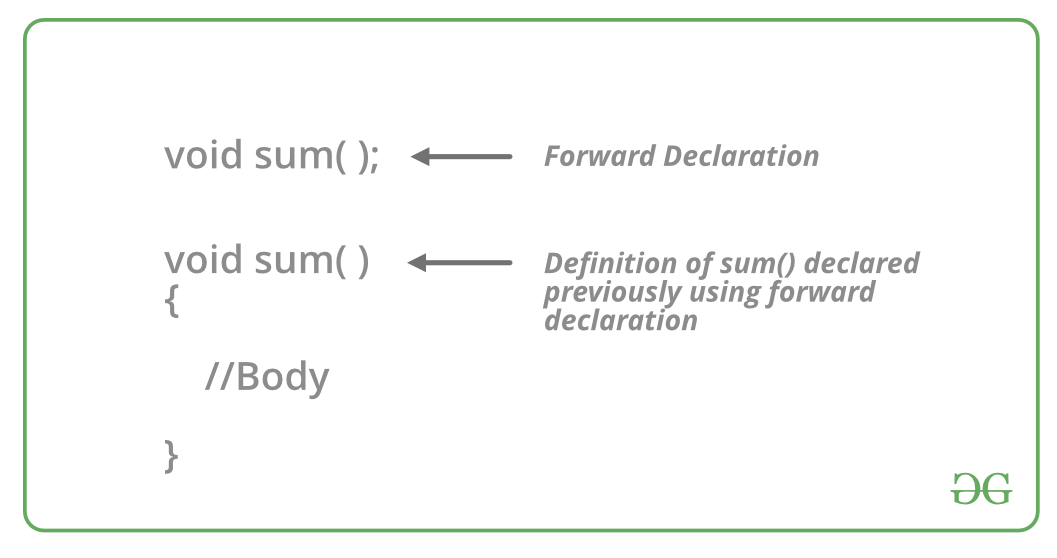
Compiling
https://docs.unrealengine.com/4.27/en-US/ProductionPipelines/DevelopmentSetup/CompilingProjects/
我的Q&A
Class Naming Prefix
Actor - A
Object - U Enums - E Interface - I Template - T SWidget - S F - else
关于宏定义
C++宏定义
编译过程
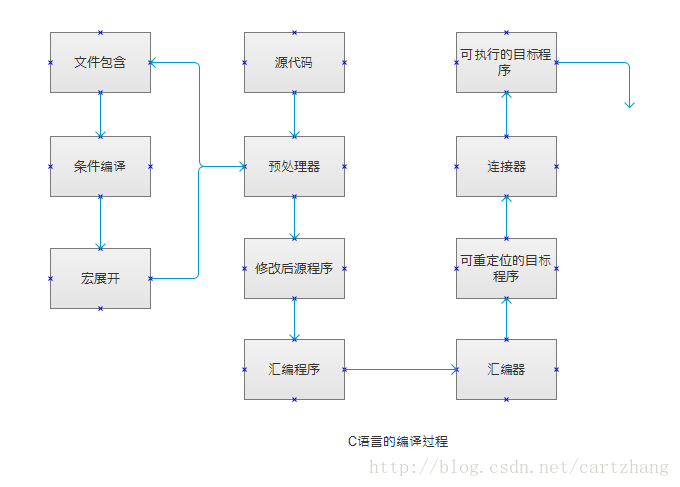
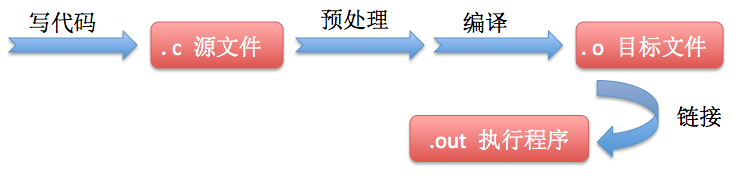
https://blog.csdn.net/yanggangclcsdn/article/details/49704089
每个#define行(即逻辑行)由三部分组成:
public class AGenericClass<T> where T : IComparable<T> { }
指令 - “#”表示这是一条预处理命令,“define”为宏命令 宏(macro) - 一般为缩略语,其名称(宏名)一般大写,而且不能有空格,遵循C变量命令规则 替换文本”-任意常数、表达式、字符串等
包括 有参宏 和 无参宏 两种
可变宏
public class AGenericClass<T> where T : IComparable<T> { }
运算符:#,##
public class AGenericClass<T> where T : IComparable<T> { }
public class AGenericClass<T> where T : IComparable<T> { }
"##" 运算符也可以用在替换文本中,而它的作用是起到粘合的作用,即将两个语言符号组合成一个语言符号,所以又称为“ 预处理器的粘合剂(Preprocessor Glue) ”。
宏定义 vs. typedef
public class AGenericClass<T> where T : IComparable<T> { }
宏定义只是简单的字符串代换,在预处理阶段完成。而typede不是简单的字符串代换,而是可以用来做类型说明符的重命名的,类型的别名可以具有类型定义说明的功能,在编译阶段完成的。
宏定义 vs. 函数
所以在宏定义中:#define COUNT(M) M * M 中的形参不分配内存单元,所以不作类型定义。而函数 int count(int x)中形参是局部变量,会在栈区分配内存单元,所以要作类型定义,而且实参与形参之间是“值传递”。而宏只是符号代换,不存在值传递。
public class AGenericClass<T> where T : IComparable<T> { }
COUNT(++x) 被替换为 ++x * ++x,即为 7 * 8 = 56,而不是想要 7 * 7 = 49 不要在有参宏用使用到“++”、“–”等
其他技巧与细节
换行:在结尾加反斜杠,可使多行连接
宏定义必须写在函数之外,其作用域是 #define 开始,到源程序结束。
如果重复定义宏,则不同的编译器采用不同的重定义策略。
Unreal宏定义
UCALSS
The UCLASS macro gives the UObject a reference to a UCLASS that describes its Unreal-based type. UE4有一个管理游戏对象的强大系统。UObject是这个系统中所有对象的基类。UCLASS宏用于标记这些UObject的派生类,目的是把它们告知UObject管理系统。UCLASS的宏参数可以更加具体地指定该类型的各种行为。
每个 UCLASS 保留一个称作“类默认对象(Class Default Object)”的对象,简称 CDO。
The UCLASS() macro is used to indicate that a C++ class will be part of Unreal's Reflection system. This is necessary for the C++ class to be recognized by the Unreal Engine editor. Another advantage of using UCLASS() is that you can use Unreal Engine's memory management system in the C++ class.
UCLASS宏只能修饰UObject的子类。
类型说明符(Class Specifiers)
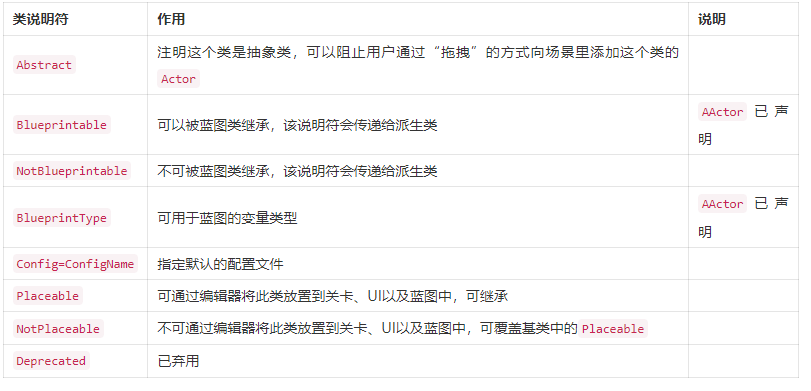
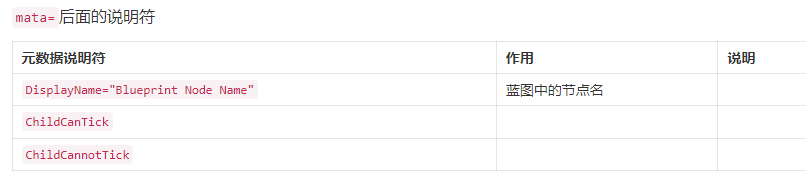
元数据说明符(Metadata Specifiers)
MYPROJECT_API
Specifying MYPROJECT_API is necessary if MyProject wishes to expose the UMyObject class to other modules.
Unreal宏编译
The compilation of an Unreal C++ project happens in two phases.
- In the first phase, UnrealHeaderTool (UHT) reads the C++ headers files looking for Unreal macros and generates the necessary code that will replace the macros.
- In the second phase, the C++ compiler compiles the resulting code.
public class AGenericClass<T> where T : IComparable<T> { }
For this class, UnrealHeaderTool will generate code that will be placed in the TutoProjectCollectable.generated.h file and code that will replace the GENERATED_BODY() macro.
宏定义的方式
C++代码中定义
Build.cs文件和Target.cs文件中
public class AGenericClass<T> where T : IComparable<T> { }
在UBT代码的文件夹(\Engine\Source\Programs\UnrealBuildTool)中搜索Definitions.Add就可以看到编译时添加的宏定义。
常用宏配置与Unreal Editor中的效果
https://blog.csdn.net/qq_29523119/article/details/85255854
Objects & GC
内存分配与容器:https://www.cnblogs.com/kekec/p/12012537.html
Update
Destroy
Memory Management & GC
UE4 uses the reflection system to implement a garbage collection system.
Your classes need to derive from UObject in order to be enabled for garbage collection.
An object will not be garbage collected as long as there is a path of references from an object in the root set to the object in question.
If no such path to the root set exists for an object, it is called unreachable and will be collected (deleted) the next time the garbage collector runs.
The engine runs the garbage collector at certain intervals.
UStructs cannot be garbage collected.
Root Set
UObject pointer stored in a UPROPERTY in a UE4 container
Actors: GC druing a level's shutdown Once spawned, you must manually call Destroy on them to remove them from the Level without ending the Level.
This is important since, as mentioned before, actors that have had Destroy called on them are not removed until the garbage collector runs again. You can check the IsPendingKill method to see if a UObject is awaiting its deletion.
RootSet操作与判断
public class AGenericClass<T> where T : IComparable<T> { }
Non-UObject References
Normal C++ objects (not derived from UObject) can also have the ability to add a reference to an object and prevent garbage collection --- derive from FGCObject and override its AddReferencedObjects method
智能指针
常用类型
Numeric Types
int8/uint8: 8-bit signed/unsigned integer
int16/uint16: 16-bit signed/unsigned integer
int32/uint32: 32-bit signed/unsigned integer
int64/uint64: 64-bit signed/unsigned integer
float (32-bit) and double (64-bit) types
Strings
FString
FString is a mutable string, analogous to std::string.
public class AGenericClass<T> where T : IComparable<T> { }
FText
localized text ???
public class AGenericClass<T> where T : IComparable<T> { }
public class AGenericClass<T> where T : IComparable<T> { }
FName
Rather than storing the complete string many times across every object that references it, FName uses a smaller storage footprint index that maps to a given string.
- save memory when that string is used across many objects
- save CPU time when comparing them- UE4 can simply check their index values to see if they match
TCHAR
The TCHAR type is used as a way of storing characters independent of the character set being used
Containers
相关资料:v
public class AGenericClass<T> where T : IComparable<T> { }
TArray - std::vector
like std::vector, offers a lot more functionality
public class AGenericClass<T> where T : IComparable<T> { }
TMap - std::map
has quick methods for finding, adding, and removing elements based on their key
TSet - std::set
AddUnique, Contains - faster
Cumtom TSet/TMap
you will need to provide a hash function that takes a const pointer or reference to your type and returns a uint32 This return value is known as the object's hash code , and should uniquely identify the object.
Ref
https://blog.csdn.net/yanggangclcsdn/article/details/49704089 https://romeroblueprints.blogspot.com/2020/10/the-uclass-macro.html https://www.geek-share.com/detail/2802042559.html https://docs.unrealengine.com/4.27/en-US/ProgrammingAndScripting/ProgrammingWithCPP/IntroductionToCPP/